Unit turns bring a surge of activity for affordable housing teams. Vacant units need to be inspected, repaired, documented, and returned to service quickly, while occupied units continue generating work orders and compliance obligations remain steady.
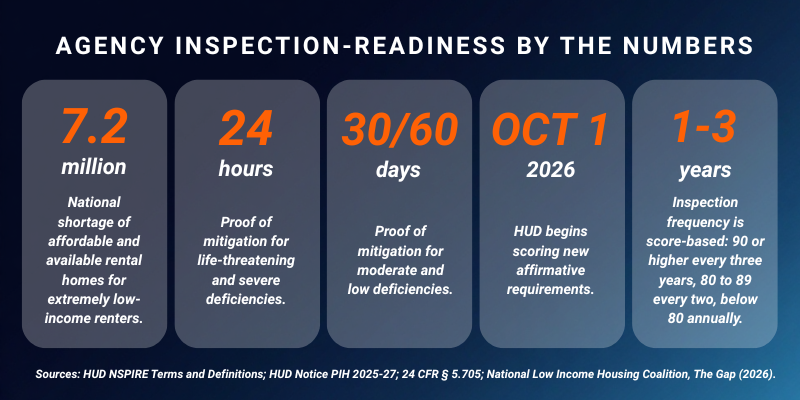
The National Low Income Housing Coalition’s 2026 The Gap report puts the national shortage at 7.2 million affordable and available rental homes for extremely low-income renters. No turn process closes a gap that size, but it does mean every unit already in the portfolio counts, and every day one sits vacant is a day it isn’t housing someone on the waitlist.
For affordable housing operators, a unit turn is more than a make-ready exercise. It is an opportunity to strengthen inspection readiness, improve documentation practices, and establish maintenance workflows that support compliance.
How Unit Turns Improve Inspection Readiness
A unit turn gives affordable housing teams a built-in opportunity to identify and resolve deficiencies before an inspector sees them. Every affordable program has some form of agency inspection, and they are not all called NSPIRE. HUD’s NSPIRE standards apply to Public Housing and Multifamily properties today, with voucher programs phasing in through early 2027, and many local authorities have adopted the NSPIRE format as well. Across programs, inspections focus on conditions that directly impact resident health, safety, and habitability, making move-out inspections an important checkpoint for compliance readiness.
That opportunity becomes even more valuable when considering HUD’s correction timelines. For Public Housing and Multifamily properties, NSPIRE requires proof of mitigation within 24 hours for life-threatening and severe deficiencies, 30 days for moderate, and 60 days for low. Voucher program inspections use a different schedule, and other agencies set their own, so confirm the requirements for each program you operate.
Incorporating inspections into the turn process helps teams address repairs, document corrective actions, and maintain visibility into unit readiness. In addition, consistent turn inspections also support more accurate recordkeeping and stronger inspection preparedness throughout the year.
Align Maintenance Priorities Before the Turn Begins
Turns often arrive alongside routine service requests, inspections, resident communications, and compliance deadlines. Establishing maintenance priorities proactively can enable teams to coordinate activities more effectively and maintain progress throughout the make-ready process.
Maintenance planning may include identifying units that require additional attention, coordinating vendor schedules, outlining inspection timelines, and documenting responsibilities for completed work.
Planning ahead also provides the opportunity to improve communication between property teams, maintenance staff, and vendors, helping everyone stay on the same page with timelines, responsibilities, and overall unit readiness.
Documentation Plays a Growing Role in Compliance
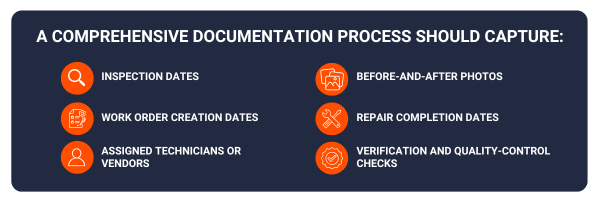
Documentation plays an important role in supporting inspection readiness and maintaining a clear record of completed work.
HUD’s inspection preparation guidance encourages property teams to maintain records of inspections, completed repairs, and corrective actions. Keeping these records organized can help support inspection readiness, improve repair tracking, and provide a clearer picture of property conditions over time.
Documentation has become even more important as affordable housing organizations adapt to evolving inspection requirements. In September 2025, HUD issued Notice PIH 2025-27, extending to October 1, 2026 the date it will begin scoring new affirmative requirements for Public Housing and Multifamily inspections. Those requirements cover fire-labeled doors, GFCI and AFCI protection, guardrails, HVAC, interior lighting, and minimum electrical and lighting requirements, and each one belongs on a turn checklist (NSPIRE Official Notices and Proposed Rules).
Organizations with consistent record-keeping practices are often better positioned to demonstrate compliance and adapt to future regulatory changes.
Common Deficiencies to Address During Unit Turns
HUD’s agency inspection standards prioritize conditions that directly impact resident health, safety, and habitability. During move-out inspections, maintenance teams should pay particular attention to:
- Missing or nonfunctional smoke detectors
- Water intrusion or signs of leaks
- HVAC performance issues
- Damaged electrical outlets or switches
- Trip hazards and damaged flooring
- Missing handrails or guardrails
- Pest activity and moisture concerns
- ADA compliance in designated units (i.e. call buttons)
Identifying these issues during the turn process provides additional time to complete repairs, document corrective actions, and prepare units for the next resident.
Visibility Connects the Turn Process
Each part of a turn has its own priority: identifying deficiencies, assigning work, coordinating vendors, confirming repairs, and keeping records organized. The challenge is making sure those steps stay connected as units move from inspection to occupancy.
A practical way to build that visibility is to review each vacant unit against the same set of questions: What work is still open? Who owns the next step? Is a vendor needed? Has the repair been verified? Has the documentation been uploaded? If a team cannot answer those questions quickly, the process may create blind spots.
Visibility gives property, maintenance, and vendor teams a shared view of where each unit stands and where delays are forming. In ResMan, work orders, unit status, and vendor assignments live in one system, and adding InCheck brings unit and property inspections into the same place, so the answer to “where does this unit stand” doesn’t depend on who you ask.
From Turn Checklist to Year-Round Readiness
Every turn creates a valuable opportunity to strengthen maintenance operations, improve documentation practices, and address deficiencies before inspections occur.
Affordable housing operators face a complex balancing act between maintenance responsibilities, compliance requirements, resident needs, and occupancy goals. Teams that establish consistent inspection processes, maintain thorough documentation, and create visibility across unit turns are better positioned to reduce delays, support compliance, and keep units moving toward occupancy.
HUD frames it the same way, describing NSPIRE as a model that supports the adoption of sound, year-round maintenance practices. Inspection readiness is built through the work performed between inspections.
That is also how the program is structured: owners and public housing agencies must self-inspect every unit at least annually, and properties that score higher are inspected less frequently, so no two properties are on the same schedule. Turns are one of the most effective opportunities to put those processes into action and establish stronger maintenance practices throughout the year.
Inspection-ready properties are built through consistent inspections, thorough documentation, and year-round operational visibility.
👉 Could your properties pass an inspection today? See how ResMan helps affordable housing teams stay NSPIRE-ready year-round and request a personalized demo.